

【主题】Aggregate Embodied Energy/Emission Intensities and Their Driving Forces
【时间】2019年9月19日(星期四)15:00-16:30
【地点】上海财经大学红瓦楼236会议室
【主持人】邵帅教授
【报告摘要】
Aggregate intensity indicators, such as the ratio of a country's energy and emissions to its GDP, are often used by researchers and policymakers to study energy and environmental performance. This talk discusses the relationship between energy (or emissions) and value added (or GDP) from a different viewpoint, namely from the demand rather than the production perspective, using the input–output (I–O) framework. The aggregate embodied intensity (AEI), defined as the ratio of embodied energy (or emissions) to embodied value added, can be defined at the aggregate, final demand category and sectoral levels. Changes of the AEI at different levels can be decomposed to identify the driving forces using multiplicative structural decomposition analysis (SDA). China and India’s I-O and energy/emissions dataset are used in the empirical study. The proposed framework can be applied to other aggregate intensity indicators and extended to multi-country/region analysis.
【报告人简介】
苏斌,新加坡国立大学能源研究所高级研究员,能源与环境研究中心副主任,能源系统建模团队负责人,同时担任新加坡节能和低碳路径发展研究项目总负责人。他还担任Energy Economics (SSCI)期刊副主编和客座主编、Applied Energy(SCI)客座主编、Journal of Cleaner Production (SCI)期刊客座主编、Reports on Economics and Finance编委、《环境经济研究》和《中国石油大学学报(社科版)》编委,以及60多个国际期刊审稿人。他的主要研究领域为能源和环境经济与政策、能源与气候变化、能源环境系统建模和分析,他在能源和环境科学领域国际期刊上已发表SCI/SSCI论文70多篇,研究成果被引用3500余次,并入选了2018年科睿唯安(Clarivate Analytics)全球高被引科学家(交叉领域Top 1%)。他在新加坡主持和参与二十余项能源和环境科学相关的政府研究项目,曾获得新加坡环境与水资源部、贸易与工业部、外交部、经济发展局、国家环境署、能源市场管理局、海运和港口管理局、气候变化秘书处、国家研究基金会等政府部门的资金支持。
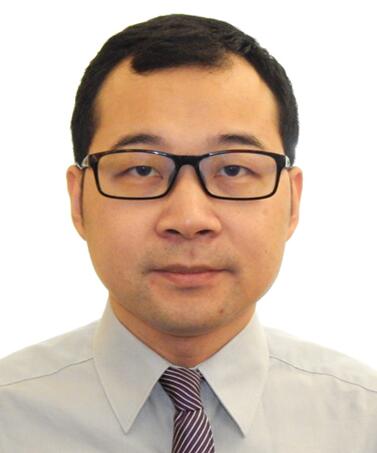
【照片】